

 Back
















GPS Tracking for Small Fleets: What Changes When You Have 5 to 25 Vehicles
Oct 26, 2026The features that matter at 5 vehicles are not the same ones that matter at 200, and neither is the pricing structure, the contract risk, or the amount of the platform a fleet manager will actually use.
Definition: A small fleet GPS tracking system is a tracking and telematics platform sized for operations running roughly 5 to 25 vehicles, where the fleet manager is usually the business owner or a single operations person rather than a dedicated fleet department, and where the buying decision is driven by which features the fleet will actually use rather than by which platform has the longest feature list.
Key Takeaways
- Small fleets use a fraction of the features available on most tracking platforms. The features that produce the most value at small scale are real time location, geofence alerts, idle time reporting, trip history, and driver behaviour flags. Advanced analytics, custom API integrations, and multi level user hierarchies are enterprise features that a 10 van operation will almost never open.
- Pricing for small fleets in 2026 ranges from roughly $15 to $45 per vehicle per month depending on the feature tier and the provider. [1][2] Hardware costs sit between $50 and $300 per device. The volume discounts of 20 to 35% that larger fleets negotiate usually apply at 50 vehicles and above, though it is still worth asking for one at 10 vehicles. [3]
- Contract structure matters more at small scale than at large scale. A 36 month contract on a 100 vehicle fleet spreads the commitment risk. The same contract on a 5 vehicle fleet locks a small business into a cost it may not be able to absorb if a vehicle is sold, written off, or the business contracts. Month to month or annual plans with no early termination fee are safer for small operators. [3]
- The ROI calculation for a small fleet works the same way as for a large fleet (the fleet tracking ROI guide covers the formula), but the per vehicle savings are proportionally larger because small fleets tend to have more unaddressed waste. A fleet that has never looked at its idling data or verified its drivers’ time on site often finds that the first month of tracking data reveals savings opportunities that cover the tracking cost several times over. [2][3]
- ELD and hours of service compliance features are not needed by most small fleets. In the US, FMCSA ELD rules primarily apply to commercial vehicles in interstate commerce. A local service fleet operating vehicles under 4536 kg (10001 pounds) is typically exempt. [4][5] Paying for an ELD tier when the fleet does not need it is a common source of overspend at small scale.
A plumbing company with 8 vans has no tracking. The owner dispatches by phone call, estimates arrival times from memory, and has no data on how long each technician spends at each job. After installing GPS tracking, the owner discovers that two vans are consistently idle for over an hour per day at locations that are not customer sites, one technician is adding 15 km of personal driving to every shift, and the average time between the last job and return to the depot is 40 minutes longer than the route requires. The tracking subscription costs $240 per month for all 8 vans. The waste the data revealed costs substantially more than that.
This guide covers which features small fleets actually use, how the pricing works at small scale, the contract traps to avoid, which compliance features to skip, and what the first 30 days of data typically reveal.
Which features matter at small scale
A fleet management platform with 50 features is not more valuable to a 10 van operator than a platform with 12 features if the operator only uses 6. The features that consistently produce value for small fleets fall into a short list.
Real time location and live map
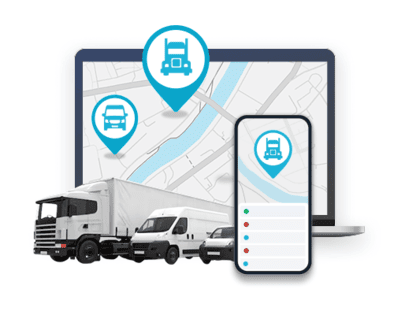
The ability to see where every vehicle is right now, on a map, updated anywhere from every 3 seconds to once a minute depending on the plan. [3] This is the feature that answers the question the owner asks 20 times a day: where is the van? For dispatch, the live map replaces the phone call. The owner can see which technician is closest to a new job and assign it without calling three drivers to ask where they are.
Trip history and route playback
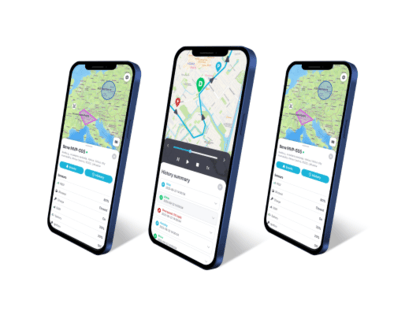
A record of every trip every vehicle made, with timestamps, distances, and the route on a map. Trip history is the audit trail. It answers questions about where the van was on Tuesday afternoon, how many km it covered last week, and whether the route taken matched the route the job required.
Geofence alerts
Geofencing has its own guide with the full detail. For small fleets, the most useful geofences are the depot (after hours movement alerts), the top 10 to 15 customer sites (arrival and departure timestamps), and any restricted areas relevant to the operation.
Idle time reporting
How long each vehicle spent with the engine running while stationary, broken down by driver, by location, and by time of day. The fuel cost guide covers what idling costs in fuel. For a small fleet, the idle report often reveals the first and easiest savings opportunity.
Driver behaviour alerts
Speeding, harsh braking, and harsh acceleration events. Driver behaviour monitoring has its own guide with the detail. At small scale, the coaching loop is simpler because the owner often knows every driver personally and can have the conversation directly.
| Feature | Value at small scale | Value at enterprise scale |
|---|---|---|
| Live map and real time location | High: replaces phone calls for dispatch | High: required for operations centre |
| Trip history | High: audit trail and mileage verification | High: same |
| Geofence alerts | High: depot security, customer arrival times | High: same, at larger scale |
| Idle time reporting | High: first savings opportunity for most fleets | High: same |
| Driver behaviour alerts | Medium to high: direct coaching with known drivers | High: feeds scorecard and coaching programme |
| API integrations | Low: most small fleets have no system to integrate with | High: connects to ERP, payroll, dispatch |
| Custom dashboards and analytics | Low: the owner uses the mobile app, not a dashboard | High: operations centre needs custom views |
| ELD compliance | Usually not needed (see below) | Required for interstate commercial fleets |
| Multi level user roles | Low: one or two people access the platform | High: dispatchers, managers, drivers, executives |
Example: A landscaping company with 6 trucks and 3 trailers installs tracking on all 9 assets. The owner uses three features daily: the live map for dispatch, the idle report for the weekly driver conversation, and the geofence alerts to confirm arrival at customer properties. The platform has 30 other features the owner has never opened. The three features the owner uses cover the full cost of the subscription.
How pricing works at small scale
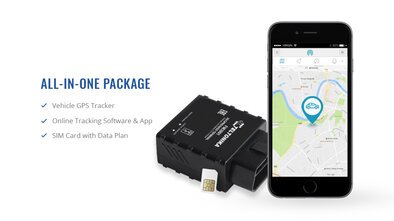
The per vehicle price for GPS tracking at small scale is typically the provider’s list price, without the volume discounts that larger fleets negotiate. In 2026, the range for small fleet plans sits between $15 and $45 per vehicle per month. [1][2]
Basic tracking (location, trips, geofences): $15 to $25 per vehicle per month. This tier covers the live map, trip history, geofence alerts, and basic reports. For many small fleets, this tier is sufficient.
Mid tier (behaviour, fuel reporting, maintenance alerts): $25 to $40 per vehicle per month. Adds driver behaviour scoring, idle time analytics, fuel reporting, and maintenance reminders. This tier makes sense for fleets that plan to run a coaching programme or need maintenance scheduling from the platform.
Full tier (ELD, dash cams, advanced analytics): $35 to $60+ per vehicle per month. Includes electronic logging, AI dash cam integration, predictive analytics, and full compliance tools. Most small local fleets do not need this tier and should not pay for it.
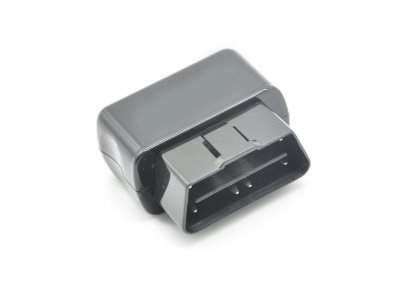
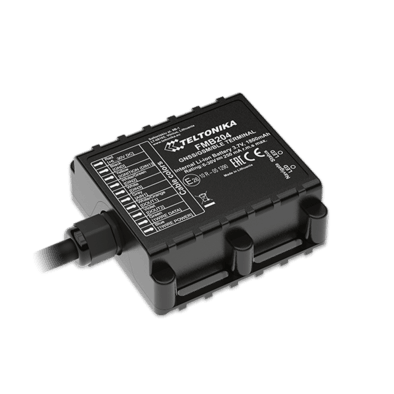
Hardware sits on top of the subscription. OBD plug in devices cost $50 to $150 per unit with zero installation cost. Hardwired devices cost $150 to $300 per unit plus $75 to $150 for installation. [3] For a 10 vehicle fleet on the basic tier with OBD devices, the first year total is typically $1,800 to $3,000 in subscriptions plus $500 to $1,500 in hardware. [3]
Example: An HVAC company with 12 vans compares two providers. Provider A charges $35 per vehicle per month on a 24 month contract with bundled hardware. Provider B charges $22 per vehicle per month on a month to month plan with a one time hardware cost of $80 per device. Over two years, Provider A costs $10,080 total. Provider B costs $6,336 in subscriptions plus $960 in hardware, totalling $7,296. Provider B is $2,784 cheaper and has no contract lock in.
Contract traps at small scale
The contract risk for a small fleet is proportionally larger than for a large fleet. Three traps are common.
Long term contracts with auto renewal. A 36 month contract that auto renews unless the fleet gives 60 days written notice before the renewal date is a trap for a small operator who forgets the date. The contract renews for another 36 months, and the early termination fee to exit can run 50 to 100% of the remaining contract value. [3]
Hardware bundled into the subscription. Some providers include the hardware “free” by rolling the cost into a higher monthly subscription tied to a long contract. The fleet pays more per month for the contract term and cannot leave without a buyout. Buying the hardware outright and choosing a lower monthly subscription with no contract is usually cheaper over two years and always more flexible.
Per vehicle minimums. Some enterprise platforms require a minimum fleet size. A fleet with 7 vehicles that signs up for a platform with a 10 vehicle minimum pays for 10 subscriptions and uses 7.
Example: A pest control company with 5 vans signs a 36 month contract with bundled hardware. Eight months in, the company loses a major contract and sells 2 vans. The provider will not reduce the subscription count mid contract. The company pays for 5 subscriptions for the remaining 28 months while operating only 3 vans.
When ELD compliance is not needed
Electronic logging device requirements in the US are set by the FMCSA and apply to drivers of commercial motor vehicles who are required to keep records of duty status. [4] The rule primarily covers vehicles in interstate commerce with a gross vehicle weight rating of 4536 kg (10001 pounds) or more. [5]
Most small local service fleets, including HVAC, plumbing, electrical, landscaping, pest control, and similar trades, operate vehicles under 4536 kg on local routes within a single state. These fleets are typically exempt from the ELD mandate and do not need to pay for an ELD compliant tracking tier.
The distinction matters because the ELD tier on most platforms is the most expensive one. A small fleet that pays $40 per vehicle per month for an ELD tier it does not need when a $20 per vehicle per month basic tier would cover everything the fleet uses is paying double for compliance it is not required to have.
Outside the US, the equivalent rules vary. EU tachograph requirements apply to goods vehicles over 3.5 tonnes and passenger vehicles carrying more than 9 people. [6] From 1 July 2026, light commercial vehicles between 2.5 and 3.5 tonnes that carry goods across borders for hire or reward also need a tachograph. [6] Vans that stay on domestic work, and vehicles under 2.5 tonnes, generally remain outside the EU tachograph rules, though some countries apply national rules to lighter vehicles.
What the first 30 days of data typically reveal
The first month of GPS tracking data on a small fleet that has never been tracked before almost always surfaces waste that nobody knew existed. The most common findings:
- Idle time is higher than expected. A fleet that assumes its drivers idle for 10 minutes per day often discovers that the actual number is several times higher once the data comes in.
- Unauthorised use exists. Vehicles moving outside working hours, detours to non customer locations during the day, or weekend use that was not approved. The awareness effect, the fact that drivers know the data is being collected, often reduces unauthorised use soon after the trackers go in.
- Time on site does not match reported time. Geofence data shows actual arrival and departure times at customer locations. Discrepancies between the tracked time and the reported time surface immediately.
- One or two drivers are responsible for most of the waste. The 80/20 pattern described in the driver behaviour monitoring guide often shows up at small scale too. A fleet of 10 drivers often finds that a small number of them account for most of the idling, speeding, or unauthorised use.
5 small fleet tracking mistakes that waste money or miss value
1. Buying the most expensive tier because it has the most features
A small fleet that uses 5 features does not need a platform with 50. Match the tier to the features the fleet will actually open. The money saved on the subscription is money that stays in the business.
2. Signing a long contract before testing the platform
A 30 day trial or a month to month start lets the fleet confirm that the platform works, the app is usable, and the data is useful before committing to 24 or 36 months. Signing a long contract on day one is a bet that everything will work.
3. Installing tracking and not looking at the data
The data does not produce savings on its own. Someone has to open the idle report, review the trip history, and have the conversation with the driver. A fleet that installs tracking and never logs in is paying for a system that sits unused.
4. Not checking whether ELD is actually required
Paying for an ELD tier on a fleet that is exempt from ELD requirements is a recurring overspend that runs for the entire subscription period. Check the exemptions before choosing the tier.
5. Choosing a provider based on the per vehicle price alone
The cheapest per vehicle price may come with a long contract, bundled hardware, limited features, or poor customer support. The total cost of ownership over two years, including hardware, subscription, contract terms, and the cost of switching if the platform does not work, is a more reliable comparison than the monthly headline number.
Frequently asked questions
How much does GPS tracking cost for a small fleet?
In 2026, small fleet tracking plans range from $15 to $45 per vehicle per month depending on the feature tier and provider. [1][2] Hardware adds a one time cost of $50 to $300 per device. A 10 vehicle fleet on a basic tier with OBD plug in devices typically spends $2,300 to $4,500 in the first year including hardware, and $1,800 to $3,000 per year after that.
Do I need ELD compliance for my small service fleet?
In the US, ELD requirements apply primarily to vehicles in interstate commerce with a gross vehicle weight rating of 4536 kg or more. [4][5] Most local service fleets operating lighter vehicles within a single state are exempt. Check the FMCSA exemptions before paying for an ELD tier.
What is the fastest way to see ROI on a small fleet?
The fastest savings typically come from idle time reduction and unauthorised use elimination, both of which usually show up in the first weeks of data. The coaching conversation with the one or two drivers who account for the most waste can produce visible improvement within the first month.
Should I choose month to month or a long term contract?
For a small fleet, month to month or annual plans with no early termination fee are safer. A long contract locks the fleet into a cost that becomes a burden if the fleet size changes, a vehicle is sold, or the platform does not meet expectations. The per vehicle price may be slightly higher on a monthly plan, but the flexibility is worth more than the discount on a 36 month commitment.
Can I track both vehicles and trailers on the same platform?
Yes. Most fleet tracking platforms support powered vehicle trackers and battery powered asset trackers on the same dashboard. The vehicle trackers report location and engine data at frequent intervals. The trailer trackers report location and motion at a slower cadence. Both appear on the same map and in the same reports.
The Bottom Line
A small fleet gets the most value from GPS tracking by focusing on the features it will actually use, choosing a pricing tier that matches those features, and avoiding contract structures that lock the business into a commitment it cannot easily exit. The live map, the idle report, the geofence alerts, and the trip history are where the daily value sits for a 5 to 25 vehicle operation. Everything else is available if the fleet grows into it, but paying for it before the fleet needs it is money that could be spent elsewhere.
GPSWOX offers tracking plans priced by the number of tracked objects, with monthly billing on its larger plans and no minimum contract term in its business terms, giving small fleets the flexibility to start with the features they need and scale up as the operation grows.
Article Sources
- Expert Market. “How Much Does Fleet Management Cost? A 2026 Guide.” https://www.expertmarket.com/fleet-management/costs
- Tech.co. “Fleet Management Cost Guide (2026): How Much Will You Spend?” https://tech.co/fleet-management/fleet-management-cost
- PriceItHere. “GPS Fleet Tracking Software Cost: What You’ll Pay in 2026.” https://priceithere.com/gps-fleet-tracking-prices/
- FMCSA. “Electronic Logging Devices.” https://www.fmcsa.dot.gov/hours-service/elds/electronic-logging-devices
- eCFR. “49 CFR 390.5 Definitions.” https://www.ecfr.gov/current/title-49/subtitle-B/chapter-III/subchapter-B/part-390/subpart-A/section-390.5
- European Commission. “Tachograph.” https://transport.ec.europa.eu/transport-modes/road/social-provisions/tachograph_en